Schedule your free 1-hour consultation on my calendar. We'll meet either via Zoom or in-person at my office (5491 N. Milwaukee Ave, Chicago, IL 60630) to review your situation, the lawsuit against you, and determine if bankruptcy is the right solution for you. If it is, we'll schedule an appointment to start your case. Services are only for Illinois residents in these counties: Cook, DuPage, Lake, Kane, Will, Kendall, Grundy and LaSalle.

Law Offices of
Robert J Skowronski, Ltd.
Law Offices of Robert J Skowronski, Ltd.
Stop Collection Lawsuits
& Get Out of Debt
With Bankruptcy

Stop Collection Lawsuits
& Get Out of Debt
With Bankruptcy
The Problem
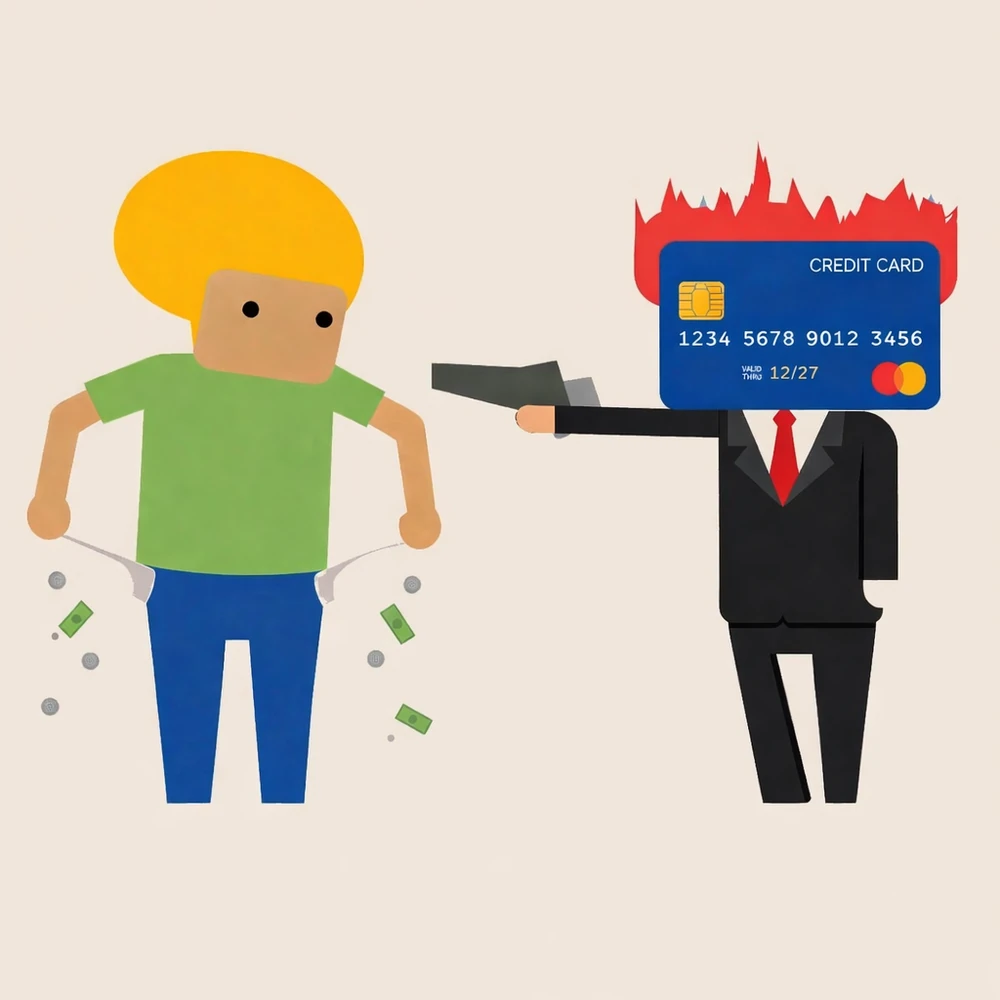
Lawsuits Allow Creditors
To Take Your Property By Force
Here's the problem... Credit card & collection lawsuits are dangerous. They can force your employer to hand over your wages. They can force your bank to hand over your savings. They can even force a sale of your home and personal property to pay the amount you owe.
Worse yet... Judgments are valid for 17-27 years. They collect interest and grow over time. They can even attach to property you acquire years later. So if you don’t deal with them now, they can haunt you in the future.
Here’s the solution... By filing a bankruptcy, you can stop collection lawsuits instantly; get out of credit card debt entirely; and protect your property. And the process is so darn easy. In most cases, you don’t even have to step into court!
The Solution: Fight Back With Bankruptcy
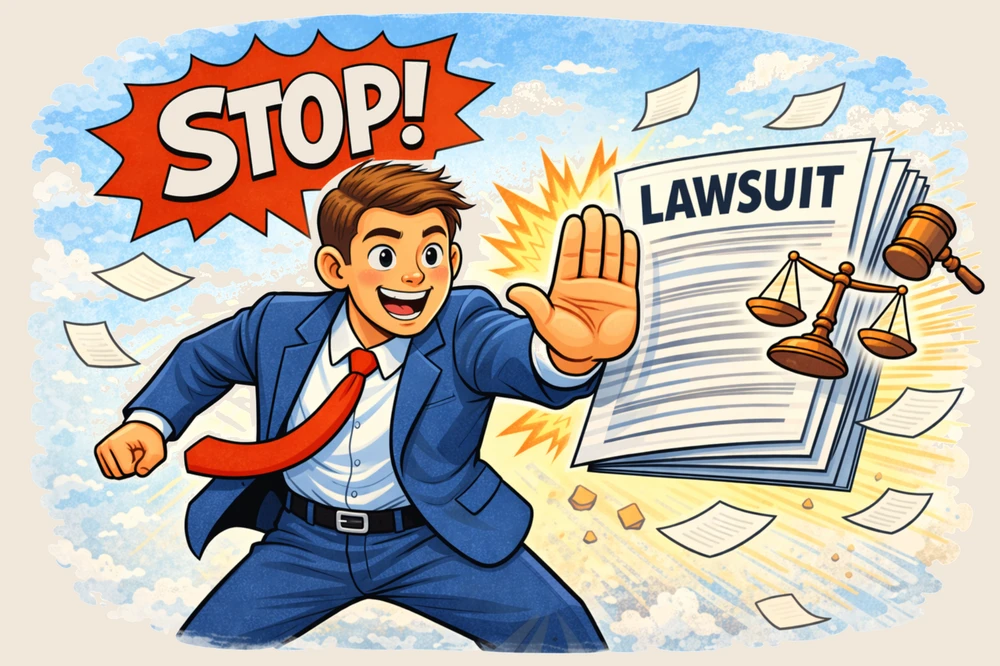
Stop Lawsuits Now
The second your bankruptcy is filed the credit card and debt collection lawsuits must stop and you’re given room to breathe. Creditors are then prohibited from garnishing your wages, freezing your bank accounts, putting liens on your property, harassing you, or taking any action against you to collect on debts. All without setting foot in court!
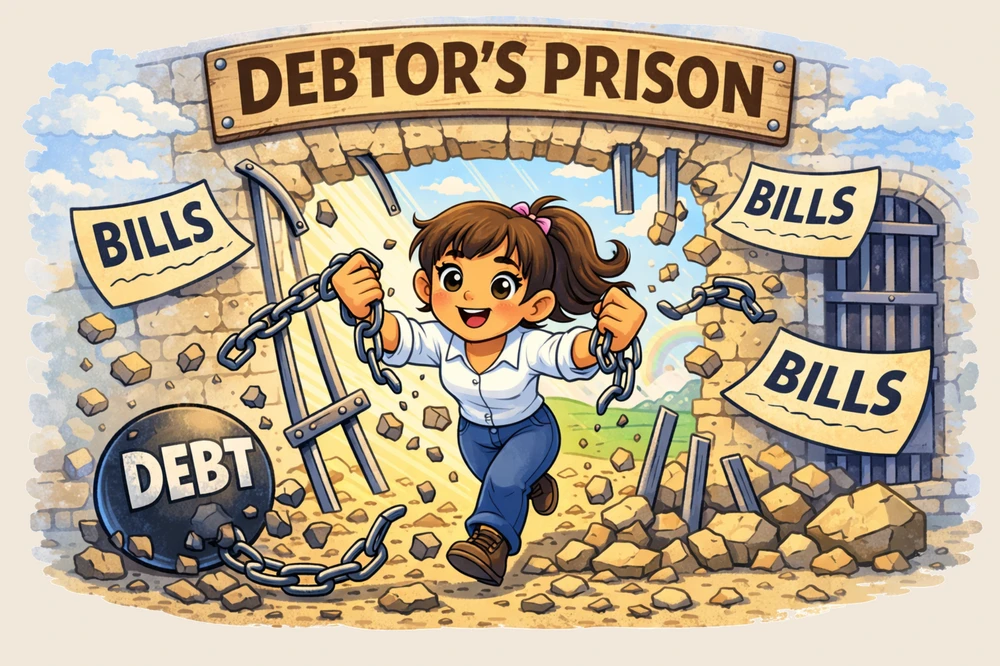
Get Out Of Debt
Bankruptcy is powerful. In one action you can not only stop the credit card & debt collection lawsuit against you, but at the same time, get completely out of debt so you’re not sued again. A discharge can wipe out debts from credit cards, personal loans, medical bills, car repossessions, student loans, income taxes, traffic accidents, judgments, & more.
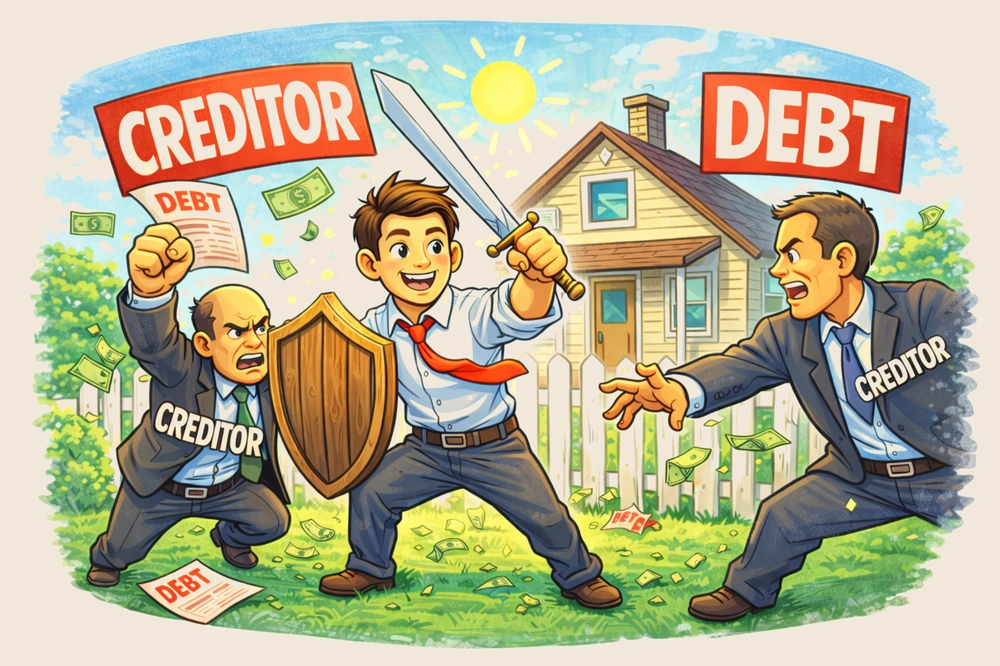
Protect Your Property
Bankruptcy protects property from creditors. The law has built-in protections that apply to homes, cars, retirement accounts, bank accounts, household goods, personal electronics, and more. These protections were designed to be large enough to let the average middle-class person keep everything they own while wiping out their debt.
How It Works
/01
Craft a Plan
The first step is to schedule a free initial consultation. We’ll meet either through Zoom or in-person for about an hour, discuss your situation, pull your credit report, and craft a plan to stop the lawsuit and get you out of debt. If you earn less than the median income, the plan is usually to wipe out your debt through a chapter 7. If you earn more than the median income, the plan is typically to settle your debt through a chapter 13.
/02
Submit Your Petition
After our initial consultation, you’ll provide me with a completed questionnaire and some necessary documents, like your tax returns and pay stubs, and I'll prepare your bankruptcy petition. While I'm doing that, you'll watch a 75-minute required educational video on budgeting. We’ll then meet to review, sign, and submit your petition. Once your case is filed, notice is sent to your creditors requiring them to stop collection efforts & lawsuits.
/03
Get Out of Debt
After your bankruptcy petition is filed, we’ll have a 5-minute Zoom meeting with a court-appointed Trustee to confirm your ID, signatures, & have you swear that your petition is truthful. Next, you'll watch a 75-minute video on financial management. In a chapter 7, that's usually all that is required to get a discharge. In a chapter 13, you’ll next complete your plan payments & then get a discharge.
Client Results

Valerie (Chapter 7)
- Stopped Lawsuit
- Wiped Out $144,444 in credit cards, student loans & income taxes
- Kept all property, including paid off car
- Stopped Lawsuit
- Wiped Out $144,444 in credit cards, student loans & income taxes
- Kept all property, incl. paid off car

Jorge (Chapter 7)
- Stopped Lawsuit
- Wiped Out $41,090 in credit cards, collection accounts & medical bills
- Kept all property, including car
- Stopped Lawsuit
- Wiped Out $41,090 in credit cards, collection accounts & medical bills
- Kept all property, incl. car

Teresa (Chapter 13)
- Stopped 2 Lawsuits
- Wiped out $62,345 in credit cards, personal loans, and income taxes
- Kept all property including home & car
- Stopped 2 Lawsuits
- Wiped out $62,345 in credit cards, personal loans, & income taxes
- Kept all property incl. home & car
Client Reviews
Read Hundreds of
Reviews from Satisfied Clients



Meet Attorney
Robert J Skowronski
Meet Attorney Robert J. Skowronski


Licensed Attorney Since 2006
FAQs
-
-
The cost of your bankruptcy case depends upon your individual circumstances. That’s why I offer a free 1-hour consultation so I can find out about you. At the end of our meeting, I’ll know the facts necessary to price your case fairly. If you want to proceed at that point, we’ll do so. If you want to think about it, that’s your right. If you don’t want to hire me, you don’t owe me a penny.
-
No. I’ve practiced bankruptcy law since 2009 and not once has a client lost property they wanted to keep. That's because in a chapter 7 case, some property is protected regardless of its value, while other property is protected up to certain dollar amounts. In most cases, these amounts are large enough to protect everything the average middle-class person owns. But, if you own something that is worth more than the protected limits, I'll advise you to file a chapter 13. That's because in a chapter 13, all property is protected, regardless of its value.
-
In general, a chapter 7 wipes out your debts without requiring you to repay it from your income. To qualify for a chapter 7, you must earn less than the median income. In contrast, a chapter 13 is a settlement, which repays a portion of your debt over time and wipes out the rest. Most people go into a chapter 13 because they earn too much to qualify for a chapter 7.
-
In general, you're qualified to file chapter 7 if you earn less than the median income. As of January 2026, the median income in Illinois for a household size of one is $73,180, two is $93,934, three is $113,625, four is $137,902, and for each additional household member over 4, add another $11,100. If you earn more than the median income, you're generally required to file a chapter 13. To be qualified for a chapter 13, you must have a regular stream of income that will enable you to make your plan payments. Income can be from any source, such a job, spouse's job, social security, etc.
-
No. Once your bankruptcy is filed, the Court notifies the creditor suing you and they are required to stop their lawsuit immediately. As for bankruptcy, 99% of clients never have to step foot in court. Most bankruptcies are a paperwork driven process, like filing your taxes. While there is a meeting with a court appointed individual, called a Trustee, the meeting is by Zoom, it lasts a few minutes, and the main purpose of it is to confirm your identity and have you swear that the information in your petition is truthful.